
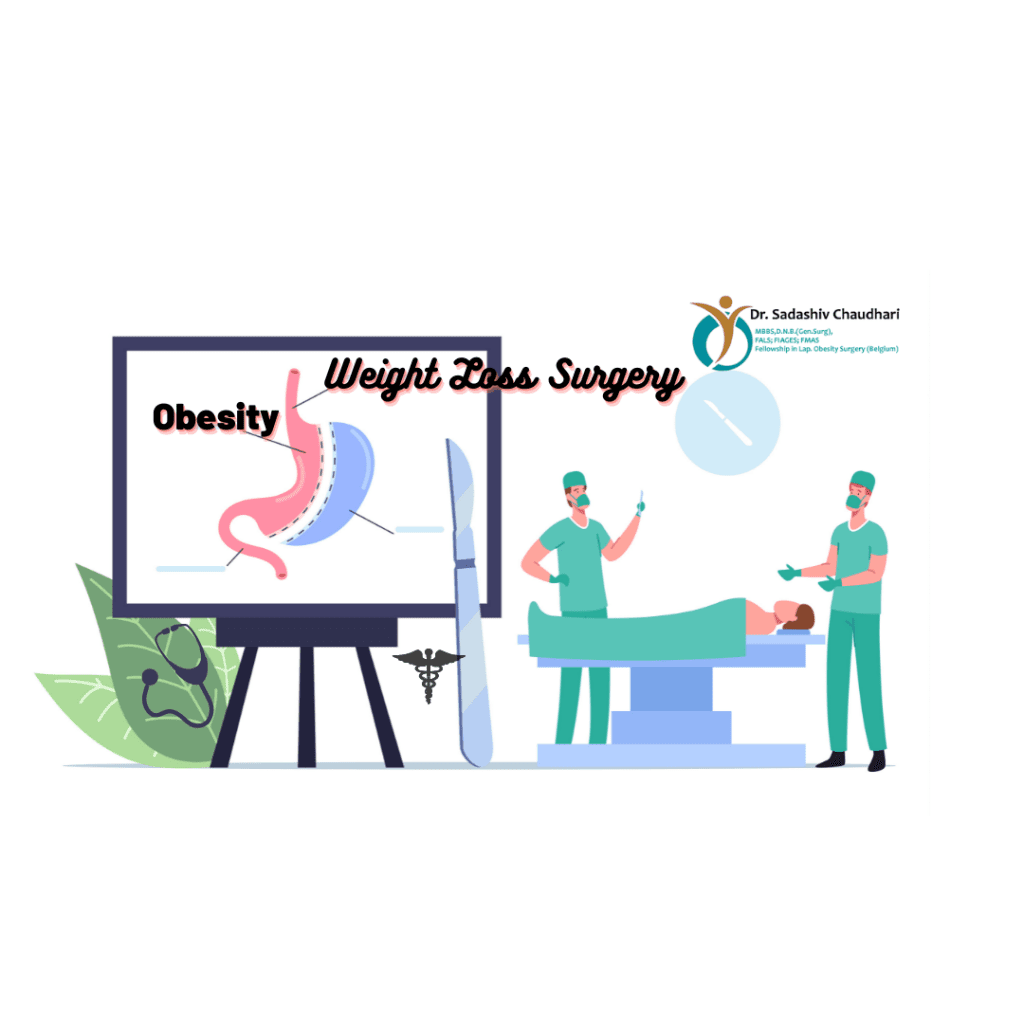
Weight loss surgery
Obesity Sometimes weight gain Can lead to depression or anxiety. Weight gain occurs due to, poor food choices, and a more sedentary lifestyle. Weight gain can lead to Obesity. The word “obesity” means an excessive amount of body fat. The Way of Someone is Overweight or not is by Body Mass Index (BMI) Calculator. for Adults BOI should be 18 to 24 .above 24 is considered as Overweight. Child & teenage BOI should be in 2 to 18. Above 30 is considered as Obses. Obesity Also depends on Other Various Factors like Age, Gender, Height. Weight Loss Surgery Weight loss surgery, also called metabolic or bariatric surgery, is commonly used to treat very obese people. Weight loss surgery should not be done without careful consideration. for weight loss surgery and wish I was highly motivated. When thinking about surgery, you want a thorough understanding of what it entails, including the risks and benefits. In fact, you should remember that all you need to do is make long-term changes. your daily habits and eating choices also. How Weight Loss Surgery Works 1)Today’s metabolic and bariatric surgeries are difficult for many and are among the best-studied remedies in modern medicine. Incisions use minimally invasive surgical techniques (laparoscopic and robotic surgery). 2)The goal of these surgeries is to replace the abdomen and intestines to alleviate related problems and diseases. Types of Weight Loss Surgery 1)sleeve gastrectomy:- In gastric sleeve surgery, also called vertical sleeve gastrectomy, a surgeon removes most of your stomach, leaving only a banana-shaped section that is closed with staples. 2)Gastric bypass surgery:- Gastric bypass surgery, also called Roux-en-Y gastric bypass, has two parts. First, the surgeon staples your stomach, creating a small pouch in the upper section. The staples make your stomach much smaller, so you eat less and feel full sooner. Gastric bypass surgery, also called Roux-en-Y gastric bypass, has two parts. First, the surgeon staples your stomach, creating a small pouch in the upper section. The staples make your stomach much smaller, so you eat less and feel full sooner. Next, the surgeon cuts your small intestine and attaches the lower part of it directly to the small stomach pouch. 3)Mini-gastric bypass:- The mini-gastric bypass can be used as a primary weight loss procedure. It can also be used in patients who have had previous gastric banding or sleeve surgery but have been unsuccessful with weight loss, or who have had band-related complications and have decided on revision surgery. The benefits of weight loss surgery/Bariatric surgery Reduces high blood pressure, Reduces sleep apnoea Reduced risk of cancer Improved overall health Boost mood & Confidence Reduces chances of early knee damage Resolution of type 2 diabetes Improves fertility in both males and females. Reduced complications during pregnancy. Risks of weight loss surgery Risk or Side effects of weight loss surgery Are Occurs in Rare Cases but Most Patients Are get Benefits from it. Following some Common Side Effects:- Infection Risks related to Anesthesia vomiting Hair loss Psychosocial effects Low blood sugar. Dr. Sadashiv Chaudhari is one of the leading and reputed Bariatric and Laparoscopic and general surgeons in Mumbai, India. He has a cumulative experience of 14 years in surgery with education from prominent institutions in India and Belgium.