

Bariatric Surgeon: Your Key to Overcoming Obesity and Achieving a Healthier Life
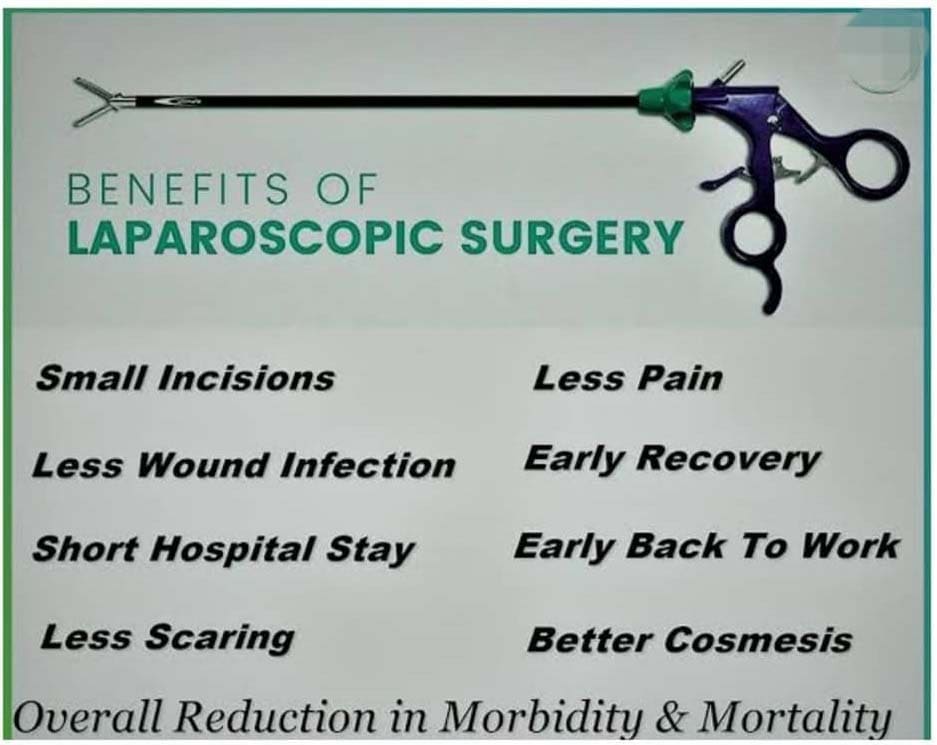
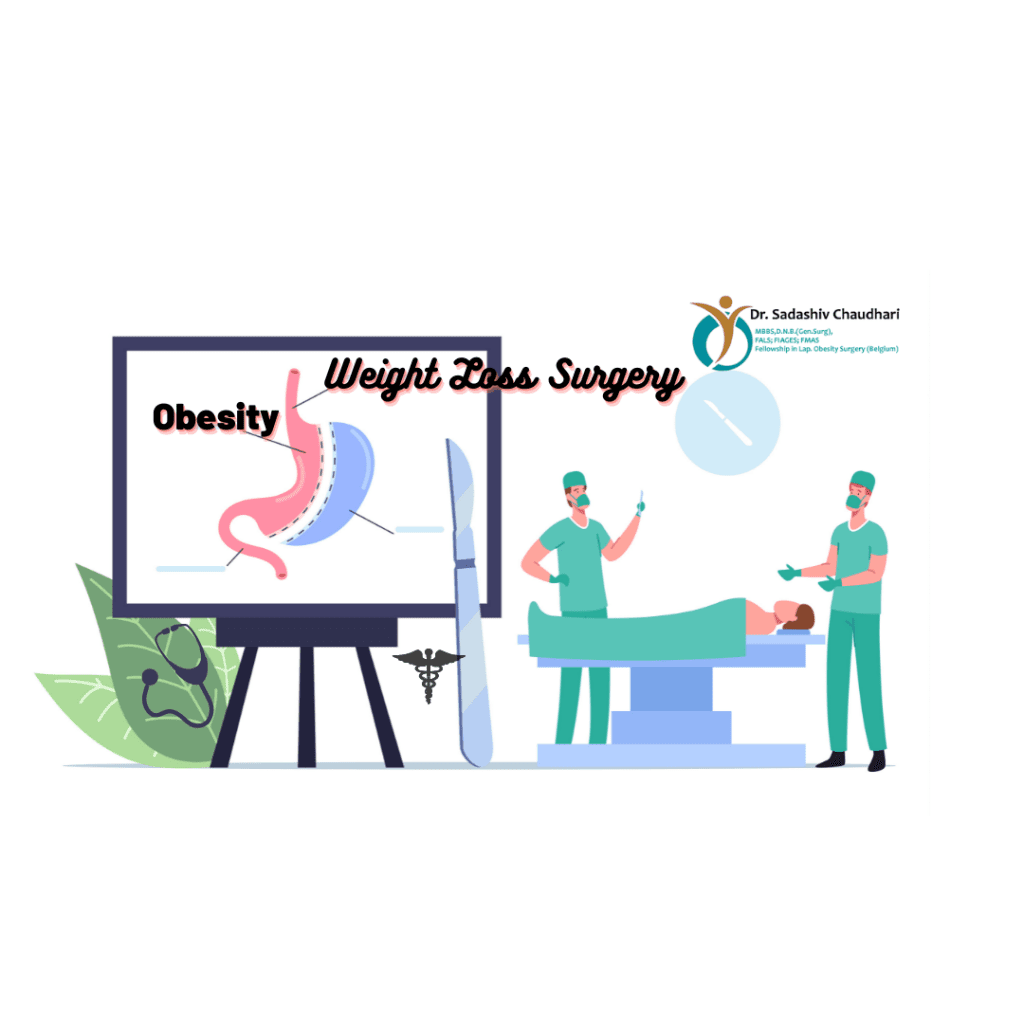
Obesity has become a global health crisis, affecting millions of people worldwide. For those struggling with severe obesity, conventional weight loss methods often prove insufficient. This is where bariatric surgery comes into play. Bariatric surgery, performed by specialized bariatric surgeons, offers a life-changing solution by providing a path to significant weight loss and improved overall health. In this article, we will delve into the world of bariatric surgery, exploring what it is, its benefits, the different types of procedures available, how to choose the right bariatric surgeon, the preparation process, the surgery itself, post-operative care, and long-term effects. If you’re considering bariatric surgery as an option, read on to discover how it can help you embark on a transformative journey towards a healthier and happier life. What is Bariatric Surgery? Bariatric surgery, also known as weight loss surgery, encompasses a set of surgical procedures designed to assist individuals with severe obesity in achieving significant and sustainable weight loss. It involves altering the digestive system to restrict food intake, promote satiety, and enhance the body’s ability to absorb nutrients. Bariatric surgery is not a quick fix; rather, it is a tool that, when combined with lifestyle changes, can help individuals achieve long-term weight loss and improve or resolve obesity-related health conditions. Benefits of Bariatric Surgery The benefits of bariatric surgery extend far beyond mere weight loss. While shedding excess pounds is a primary goal, patients often experience a range of positive effects on their physical and mental well-being. Some of the key benefits include: Sustainable Weight Loss: Bariatric surgery provides a sustainable solution for achieving significant weight loss and maintaining it in the long run. Improvement or Resolution of Health Conditions: Bariatric surgery can lead to the improvement or complete resolution of obesity-related health conditions such as type 2 diabetes, high blood pressure, sleep apnea, and joint pain. Enhanced Quality of Life: Patients often report an improved quality of life, increased mobility, higher self-esteem, and reduced dependence on medications. Longevity and Reduced Mortality: Studies have shown that bariatric surgery is associated with a reduced risk of premature death and improved life expectancy. Types of Bariatric Surgery There are several types of bariatric surgery procedures available, each with its unique mechanism of action and benefits. The most commonly performed procedures include: Gastric Sleeve Surgery: This procedure involves removing a portion of the stomach to create a smaller, sleeve-shaped stomach. It restricts the amount of food that can be consumed and reduces hunger. Gastric Bypass Surgery: In gastric bypass surgery, a small pouch is created by dividing the stomach, and the small intestine is rerouted to connect to the pouch. This restricts food intake and limits the absorption of nutrients. Adjustable Gastric Banding: This procedure involves placing a band around the upper part of the stomach to create a smaller pouch. The band can be adjusted to control food intake. Choosing the Right Bariatric Surgeon Selecting a highly skilled and experienced bariatric surgeon is crucial to ensure the best possible outcomes. When choosing a surgeon, consider the following factors: Board Certification and Credentials: Look for a surgeon who is board-certified in bariatric surgery and holds relevant credentials, indicating their expertise in the field. Experience and Track Record: Inquire about the surgeon’s experience in performing bariatric procedures, success rates, and patient testimonials. Multidisciplinary Team: A comprehensive approach to bariatric surgery involves a team of professionals, including dietitians, psychologists, and nurses, who work collaboratively to provide pre- and post-operative care. Ensure that the surgeon you choose works with a multidisciplinary team to support your journey. Patient Education and Support: Look for a surgeon who prioritizes patient education and provides comprehensive support throughout the entire process, from pre-surgery consultations to post-operative follow-up care. Preparing for Bariatric Surgery Before undergoing bariatric surgery, thorough preparation is necessary to ensure a smooth and successful procedure. Here are some key steps involved in the preparation process: Initial Consultation: During the initial consultation, your surgeon will assess your overall health, discuss your weight loss goals, explain the procedure options, and address any concerns or questions you may have. Medical Evaluation: A comprehensive medical evaluation will be conducted to determine your candidacy for surgery. This may include blood tests, imaging scans, and consultations with other specialists. Lifestyle Changes: You may be required to make certain lifestyle modifications, such as adopting a healthy diet, engaging in regular physical activity, quitting smoking, and managing any existing medical conditions. Psychological Evaluation: A psychological evaluation is typically performed to assess your readiness for surgery and ensure that you have realistic expectations and the necessary support systems in place. The Bariatric Surgery Procedure On the day of the surgery, you will be admitted to the hospital or surgical center. The specific details of the procedure will depend on the type of surgery you and your surgeon have chosen. Generally, the steps involved in the bariatric surgery procedure include: Anesthesia: You will be administered anesthesia to ensure you are comfortable and pain-free during the surgery. Incisions: The surgeon will make small incisions in the abdominal area to access the stomach and perform the necessary modifications. Procedure Execution: The surgeon will proceed with the chosen bariatric procedure, whether it’s gastric sleeve surgery, gastric bypass surgery, or adjustable gastric banding, following the predetermined surgical plan. Incision Closure: Once the surgery is completed, the incisions will be closed using sutures or surgical staples. Recovery and Aftercare After the surgery, a period of recovery and healing is essential. Your medical team will provide specific post-operative instructions tailored to your individual needs. Here are some general aspects of the recovery and aftercare process: Hospital Stay: You will typically remain in the hospital for a few days after the surgery for monitoring and initial recovery. Pain Management: Your medical team will provide medications and strategies to manage any pain or discomfort experienced during the recovery period. Dietary Changes: You will follow a specific post-operative diet plan, starting with clear liquids and gradually progressing to soft and then solid foods. Follow-up Appointments: Regular follow-up