
Inguinal Hernia Treatment Mumbai
Home > Inguinal Hernia Treatment Mumbai
Inguinal Hernia Treatment Mumbai – Diagnosis and Surgical Care
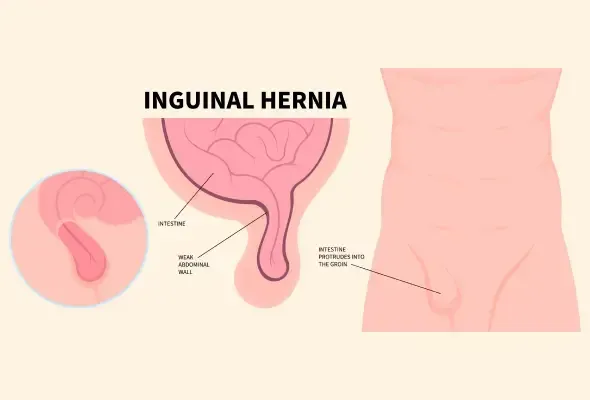
An inguinal hernia is one of the most common types of hernia seen in adults. It occurs when a portion of tissue, intestine, or fat pushes through a weak area in the lower abdominal wall near the groin. While some people notice only a small swelling, others may experience discomfort, heaviness, or pain during routine activities. Timely evaluation is important because an untreated hernia can gradually increase in size and affect daily life.
Inguinal Hernia Treatment Mumbai focuses on accurate diagnosis, personalized treatment planning, and modern surgical techniques that help restore the strength of the abdominal wall. The choice of treatment depends on the size of the hernia, symptoms, and the patient’s overall health condition.
Understanding Inguinal Hernia
The inguinal canal is a natural passage located in the groin region. When the surrounding muscles become weak, abdominal contents may protrude through this area, leading to an inguinal hernia.
Inguinal hernias are more common in men but can also occur in women. They may develop gradually over time or appear after activities that increase pressure within the abdomen.
A visible bulge in the groin is often the first sign. The swelling may become more noticeable while standing, coughing, exercising, or lifting heavy objects.

What Causes an Inguinal Hernia?
Several factors can contribute to the development of an inguinal hernia, including:
- Weakness in the abdominal wall
- Aging-related muscle changes
- Repeated heavy lifting
- Chronic coughing
- Obesity
- Constipation and straining during bowel movements
- Previous abdominal surgery
- Family history of hernia
In many cases, more than one factor may contribute to the condition.
Common Symptoms of Inguinal Hernia
Symptoms vary from person to person depending on the size and severity of the hernia.
Common signs include:
- Swelling or bulge in the groin area
- Pain or discomfort while lifting objects
- A feeling of heaviness in the lower abdomen
- Burning or aching sensation near the swelling
- Discomfort during prolonged standing or walking
- Groin pain that improves when lying down
Some patients may not experience significant symptoms initially, making routine medical evaluation important when a swelling is noticed.
When Should You Seek Medical Attention?
A hernia does not usually heal on its own. Medical attention is recommended when the swelling becomes painful, increases in size, or interferes with daily activities.
Urgent evaluation may be necessary if the hernia becomes trapped, painful, or cannot be pushed back into the abdomen. These symptoms may indicate complications requiring immediate treatment.
Many patients seek guidance from Inguinal Hernia Specialists in Mumbai to understand the most appropriate treatment approach for their condition.
Diagnosis of Inguinal Hernia
Diagnosis typically begins with a detailed medical history and physical examination. During the examination, the surgeon may ask the patient to stand, cough, or strain gently to assess the hernia.
Additional investigations may include:
- Ultrasound examination
- CT scan
- MRI scan in selected cases
These tests help confirm the diagnosis and determine the size and location of the hernia.
Treatment Options for Inguinal Hernia
The treatment plan depends on the severity of symptoms, the size of the hernia, and the patient’s overall health.
Watchful Monitoring
Small hernias with minimal symptoms may be observed for a period of time. Regular follow-up helps monitor changes in size or symptoms.
Open Hernia Repair
This traditional surgical technique involves repairing the weakened abdominal wall through a small incision in the groin. Surgical mesh may be used to strengthen the area and reduce recurrence.
Laparoscopic Hernia Repair
Laparoscopic surgery uses small incisions and specialized instruments to repair the hernia. This approach may result in less postoperative discomfort and quicker recovery for suitable patients.
Robotic Hernia Repair
Robotic-assisted surgery allows enhanced precision and visualization during hernia repair. It is particularly useful for selected complex or recurrent hernias.
Many patients undergoing Inguinal Hernia Treatment Mumbai benefit from minimally invasive surgical approaches based on their individual clinical condition.
Benefits of Minimally Invasive Hernia Surgery
Modern surgical techniques offer several advantages, including:
- Smaller incisions
- Reduced postoperative discomfort
- Shorter hospital stay
- Faster return to routine activities
- Improved visualization during surgery
- Reduced risk of wound-related complications
The suitability of these techniques depends on the type and complexity of the hernia.
Recovery After Hernia Surgery
Recovery varies depending on the surgical method and the patient’s overall health. Most patients are encouraged to walk shortly after surgery to support circulation and healing.
Recovery recommendations may include:
- Avoiding heavy lifting for a few weeks
- Following dietary advice
- Taking prescribed medications
- Attending follow-up appointments
- Gradually resuming physical activities
Patients treated by the Best inguinal hernia surgery Doctors in Mumbai are typically guided through a structured recovery plan designed to support safe healing and long-term outcomes.
Conclusion
An inguinal hernia is a common condition that can affect comfort, mobility, and daily activities if left untreated. Early diagnosis and appropriate surgical management help prevent complications and support long-term recovery. Inguinal Hernia Treatment Mumbai includes a range of treatment options, from conventional repair to advanced minimally invasive procedures, allowing patients to receive care that matches their individual needs.
Frequently Asked Questions
1. What is an inguinal hernia?
An inguinal hernia occurs when tissue or part of the intestine pushes through a weak area in the groin muscles, creating a visible swelling or bulge.
2. Can an inguinal hernia go away without surgery?
No. An inguinal hernia does not heal on its own. While some small hernias may be monitored, surgery is often recommended when symptoms develop or the hernia enlarges.
3. How is an inguinal hernia diagnosed?
Diagnosis is usually based on a physical examination and may be supported by imaging studies such as ultrasound, CT scan, or MRI when necessary.
4. How long does recovery take after hernia surgery?
Recovery varies depending on the type of surgery performed. Many patients can return to light activities within a few days, while complete recovery may take several weeks.
5. What happens if an inguinal hernia is left untreated?
An untreated hernia may continue to grow and can occasionally lead to complications such as incarceration or strangulation, which require urgent medical attention.